


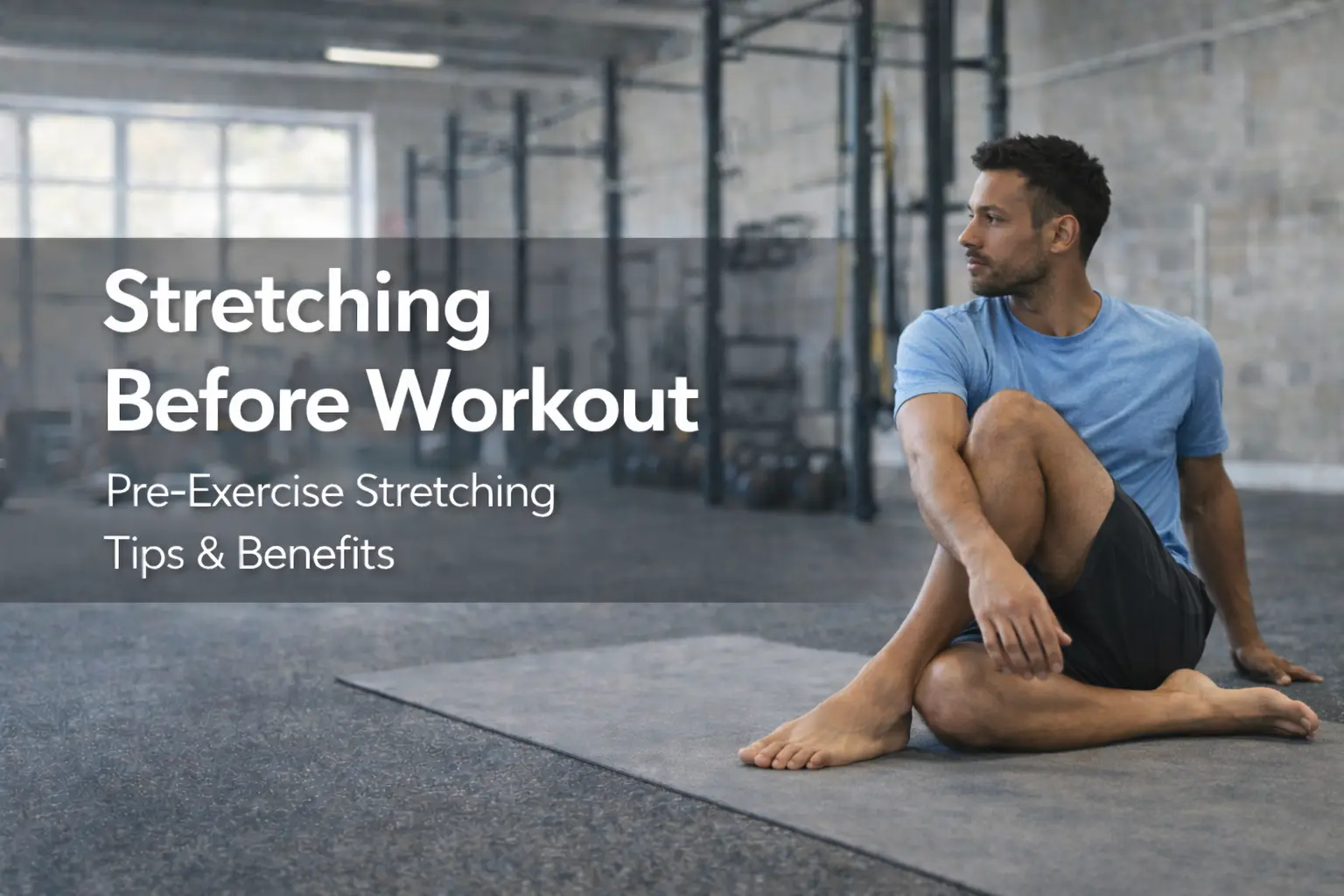
Have you ever started a workout and felt stiff from the first rep? Your hips feel tight. Your shoulders feel heavy. The first few minutes feel awkward instead of strong. Many people think this is normal. It is not. Most of the time, it happens because the body was not prepared properly before training.
I learned this the hard way. Early in my training, I skipped stretching before workout sessions because I thought lifting alone was enough. Within weeks, I felt tight and sore in places that should not hurt. Over time, I studied proper warm-up methods and applied them consistently. The difference was clear. Movement felt smoother, strength improved, and small aches became less common. The right stretching approach is simple, but it must match your goal.
Table of Contents
Jump to a sectionUse the links below to jump to the section you need.
- Why Is It Important to Stretch Before a Workout?
- Benefits of Pre-Workout Stretching
- Dynamic vs Static Stretching
- Simple Step-by-Step Pre-Workout Stretching Routine
- Stretching Before Weight Training
- Stretching Before Running
- Stretching Before HIIT or Home Workouts
- Stretching Before Workout for Tight Muscles
- Mobility vs Stretching: What’s the Difference?
- How to Practice Exercise Stretches Safely
- Common Mistakes in Stretching Before Workout
- How Long Should You Stretch Before a Workout?
- Frequently Asked Questions
- Conclusion
Who This Guide Is For
- Beginners starting at the gym
- Recreational runners who feel tight before runs
- People doing HIIT or home workouts
- Office workers with tight hips, shoulders, or lower back stiffness
Key Takeaways
- Warm up with light movement for 3 to 5 minutes.
- Use dynamic stretching before workouts.
- Save static stretching for after workouts.
- Match your stretches to your workout goal.
- Keep your warm-up short, controlled, and consistent.
Why Is It Important to Stretch Before a Workout?
Stretching before workout routines prepares your muscles for movement.
It increases blood flow.
It improves joint range.
It helps you feel ready to train.
But stretching alone does not prevent injuries.
Good form, gradual progress, and proper recovery matter more.
What stretching before workout sessions really does is improve movement quality.
That means smoother reps, better posture, and stronger control.
Benefits of Pre-Workout Stretching
Here are the main benefits of stretching before workout sessions:
- Better flexibility
- Improved joint motion
- Improved posture during lifts
- Better muscle activation
- Less stiffness at the start
Research shows dynamic stretching can improve short-term performance in strength and sprint activities.
Long static stretching before heavy lifting may reduce strength for a short period.
That is why choosing the right stretch matters.
Dynamic vs Static Stretching
There are two main types of stretching before workout routines.
Dynamic Stretching
Dynamic stretching uses active movement.
You move through the stretch without holding it.
Examples:
- Arm circles
- Leg swings
- Walking lunges
- High knees
- Bodyweight squats
Dynamic stretching is best before exercise.
It prepares muscles for effort.
Static Stretching

Static stretching means holding a stretch for 15 to 30 seconds.
Examples:
- Hamstring stretch
- Quad stretch
- Calf stretch
- Shoulder stretch
Static stretching works better after workouts.
Long holds before heavy lifting can reduce strength for a short time.

Dynamic vs Static: Quick Comparison
Simple Step-by-Step Pre-Workout Stretching Routine
Follow this basic routine if you want something quick and easy:
- 3 to 5 minutes brisk walk or light jog
- 10 leg swings each leg
- 10 walking lunges
- 15 arm circles forward and backward
- 30 seconds high knees
- 10 bodyweight squats
This takes about 8 to 10 minutes.
It works well for beginners and general gym workouts.

Stretching Before Weight Training
If you are new to the gym or lifting weights, your goal is muscle activation.
Start with light cardio.
Then focus on muscles you will train.
Upper body day:
- Arm circles
- Band pull-aparts
- Shoulder rotations
Lower body day:
- Hip circles
- Walking lunges
- Leg swings
- Bodyweight squats
Avoid long static stretching before heavy lifts.
Dynamic stretching before workout strength sessions works better.
This helps beginners feel confident and prepared.
Stretching Before Running
If you are a recreational runner, focus on stride and control.
Start with a brisk walk or light jog.
Then add:
- Leg swings
- High knees
- Butt kicks
- Walking lunges
These movements improve running mechanics.

Static stretching before running is not ideal.
Save it for after your run.
This helps reduce stiffness in calves and hamstrings.
Stretching Before HIIT or Home Workouts
If you train at home or do fast workouts, your warm-up must be quick.
Start with:
- Jumping jacks
- Marching in place
Then move into:
- Bodyweight squats
- Arm circles
- Lunges with rotation
- High knees
Dynamic stretching before workout HIIT sessions helps prepare muscles for explosive movement.
Keep it simple and under 10 minutes.
Stretching Before Workout for Tight Muscles
If you sit long hours, your hips and shoulders may feel stiff.
Focus on:
- Hip circles
- Cat-Cow stretch
- Shoulder rolls
- Lunges with rotation
Add slow mobility drills like deep squats.
Stretching before workout sessions after sitting all day should focus on loosening tight areas first.
Mobility vs Stretching: What’s the Difference?

Stretching lengthens muscles.
Mobility improves joint control.
For example:
- A hamstring stretch increases flexibility.
- A deep squat improves hip mobility.
Mobility drills use controlled movement through full range.
For best results, combine mobility work with dynamic stretching before workout sessions.
How to Practice Exercise Stretches Safely
Important
This guide is for general fitness warm-ups and stretching. If you have an injury, ongoing pain, or a joint condition, talk to a qualified professional before changing your routine. Stop right away if you feel sharp, sudden, or strong pain.
Follow these rules:
- Warm up before stretching
- Do not bounce
- Do not force pain
- Breathe normally
- Match stretches to your workout
Stretching before workout routines should feel controlled and smooth.
Common Mistakes in Stretching Before Workout
Avoid these mistakes:
- Holding static stretches too long before lifting
- Skipping warm-up cardio
- Stretching cold muscles
- Doing random stretches not related to your training
Choose stretches that support your workout goal.
How Long Should You Stretch Before a Workout?
Keep it simple:
- 3 to 5 minutes light cardio
- 5 to 10 minutes dynamic stretching
That is enough for most people.
Long stretching sessions before workout training are not necessary.
Frequently Asked Questions
Should beginners stretch before going to the gym?
Yes. Use dynamic stretching before workout sessions to prepare muscles safely.
Should I stretch before lifting weights?
Yes, but focus on dynamic movements.
Can stretching prevent injuries?
Stretching prepares muscles. But injury prevention depends on good technique and proper training load.
What are the best stretches before workout sessions?
Dynamic movements like leg swings, lunges, arm circles, and bodyweight squats work best.
Should you stretch before cardio?
Yes. Use dynamic stretching before cardio to prepare your hips, knees, and ankles for repeated movement.
Is it bad to stretch cold muscles?
It can be. Cold muscles are less ready to move, so start with light cardio first, then stretch.
Conclusion
After years of training and guiding beginners, runners, and home workout users, one thing stands out: a smart warm-up changes how your body performs. Stretching before workout sessions should be focused and intentional, not random. Dynamic movements before training prepare your muscles for effort. Static stretching after workouts supports flexibility. When you match your stretches to your workout and stay consistent, your body responds with better control, improved comfort, and stronger performance. Keep it simple, stay consistent, and treat your warm-up as part of your training, not an optional extra.
